
Sutton Barcelona: a renovation delivered through digital fabrication
Full renovation of one of Barcelona’s most iconic nightlife venues using 340 functional 3D printed concrete elements, manufactured off-site and installed in just seven weeks.
Rethinking the renovation to make summer execution possible
Sutton Barcelona presented a common challenge in high-intensity commercial renovations: transforming an entire venue without stopping operations for months. The project required organic geometries, functional pieces, high-end finishes and an extremely tight execution schedule.
Instead of approaching the work solely through traditional construction, the project was structured as an industrialized process: digital design, off-site prefabrication, prior validation and concentrated on-site assembly. Construnext led the renovation and process re-engineering, D’Poch developed the interior design, and Aridditive made the production of the 3D printed concrete elements possible.
Complex design, limited time and real execution
A renovation that shows how far digital construction can go
A project where design, 3D concrete printing and on-site assembly are connected in a single sequence: from a digital idea to a real, functional space open to the public.
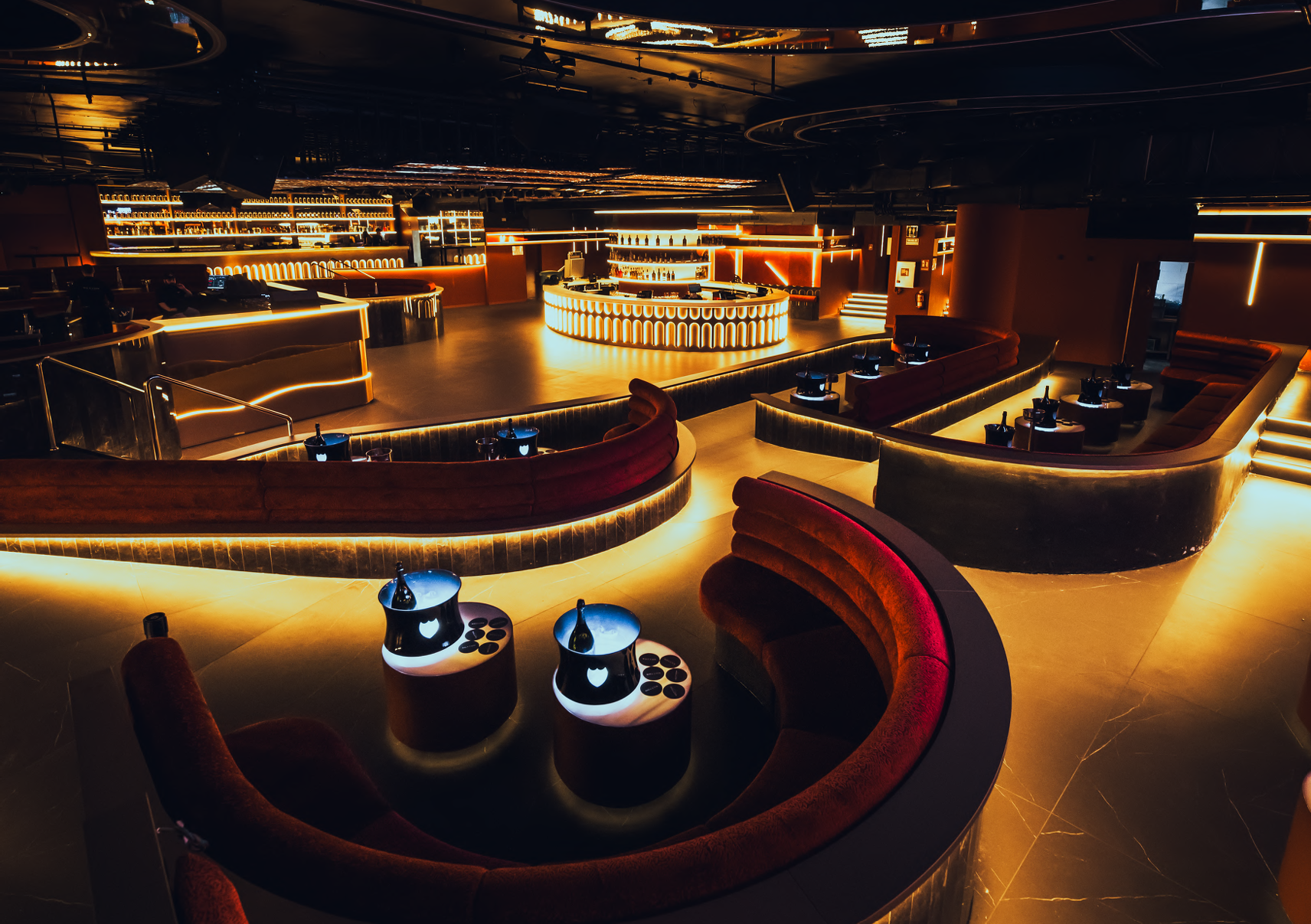
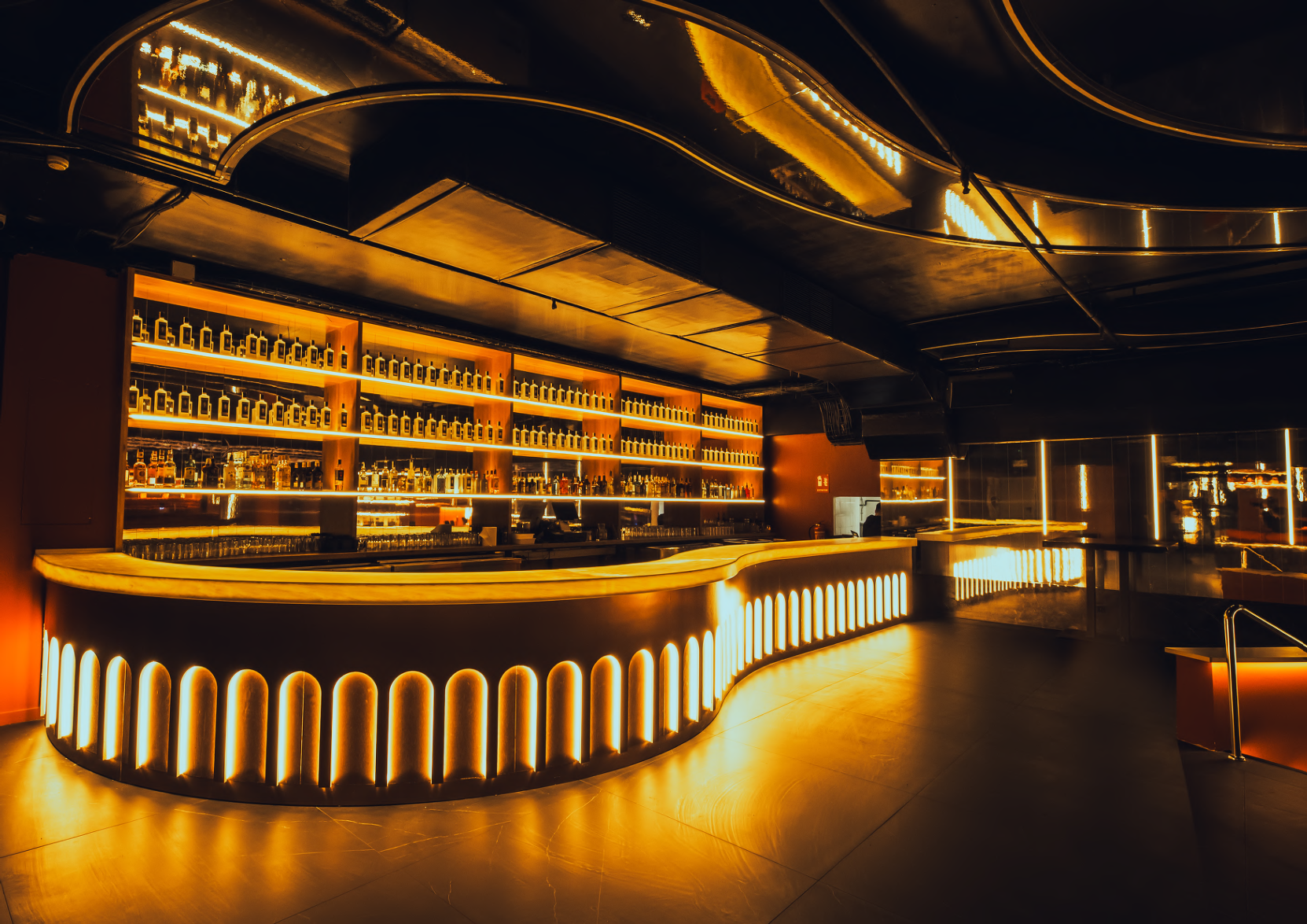
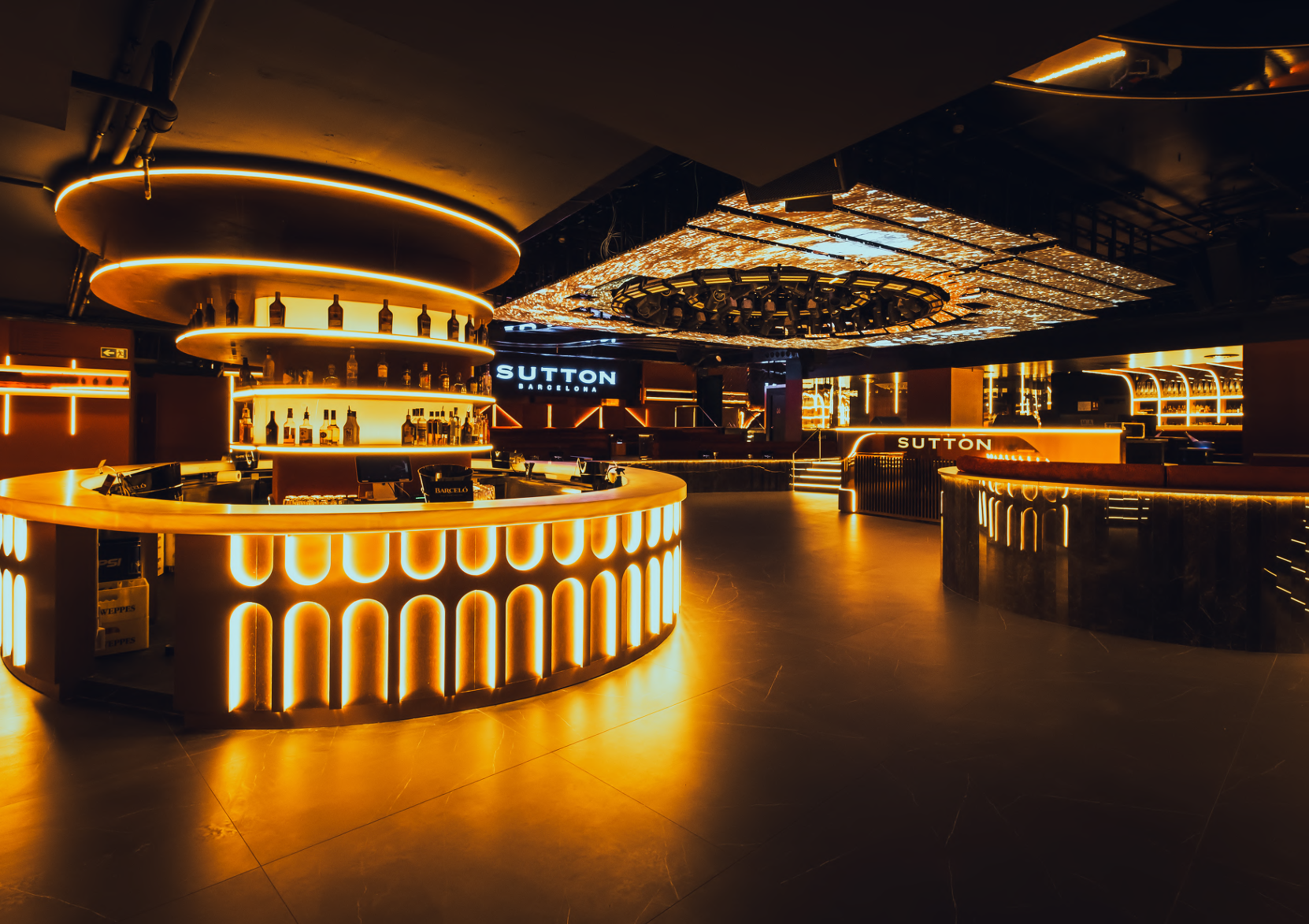
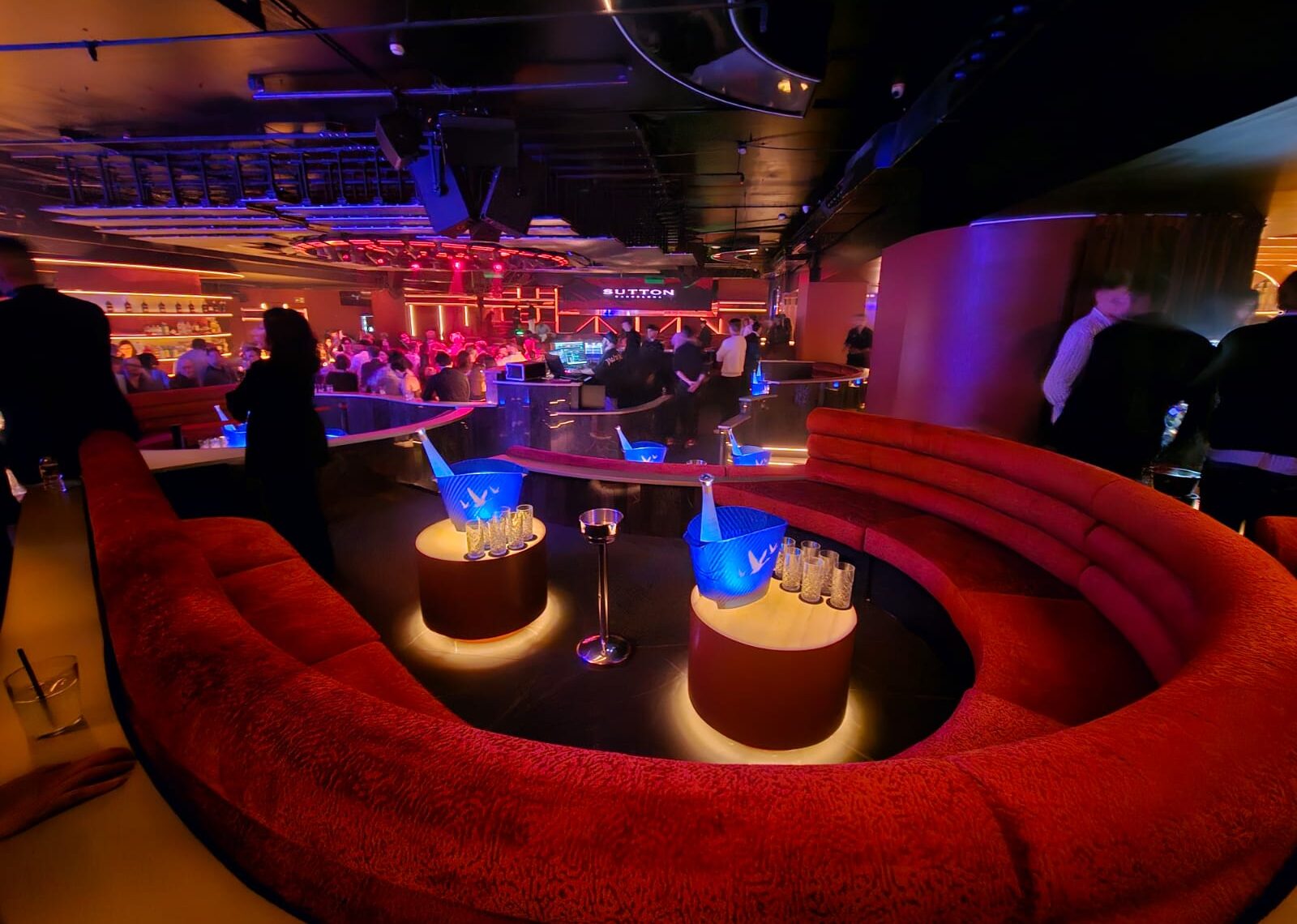
An organic interior built with 3D printed pieces
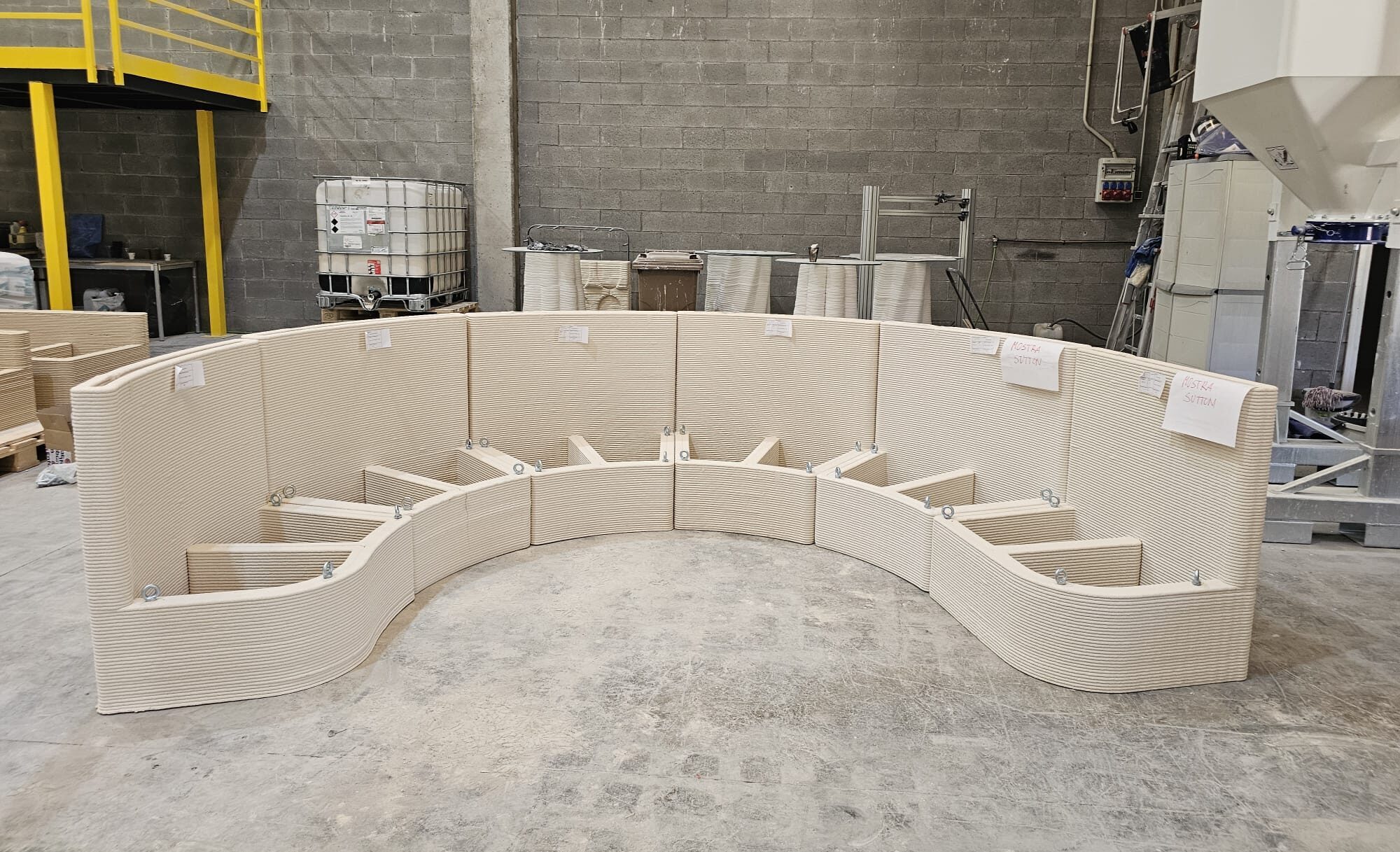
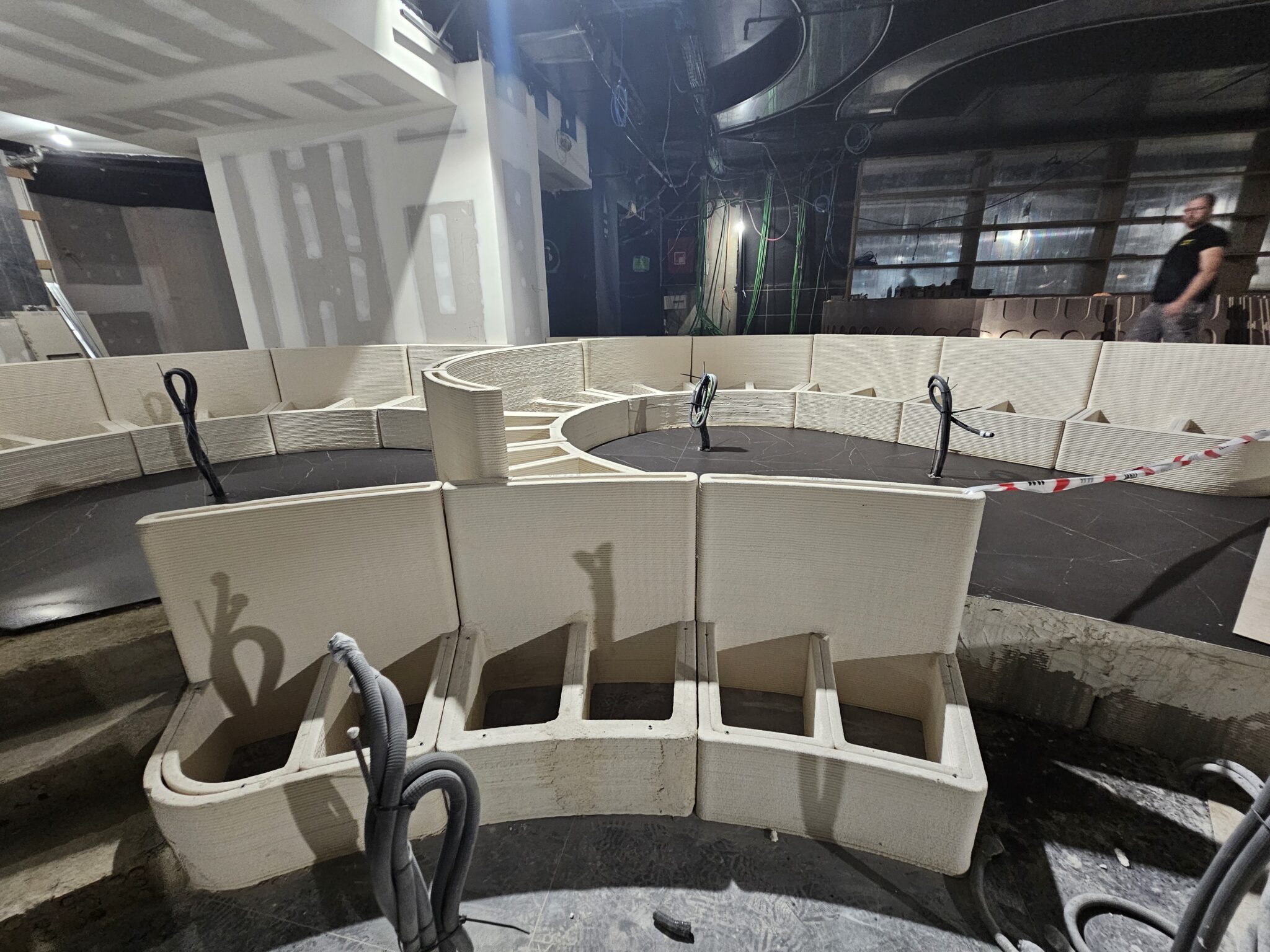
The concrete pieces were integrated into the final design with cladding, wood, upholstery and lighting, becoming the constructive base for bars, benches, walls, passages and lounge areas.
An industrial workflow for a complex renovation
The project was not just about printing pieces. The key was transforming a complex interior renovation into a controlled process: design, digitalization, manufacturing, validation and installation.
Interior design
D’Poch’s design defined a highly organic language, with curved geometries and elements integrated into the spatial experience of the club.
Construction re-engineering
Construnext transformed the project into an executable system, prioritizing prefabrication, digital fabrication and efficient on-site assembly.
ISCEX® manufacturing
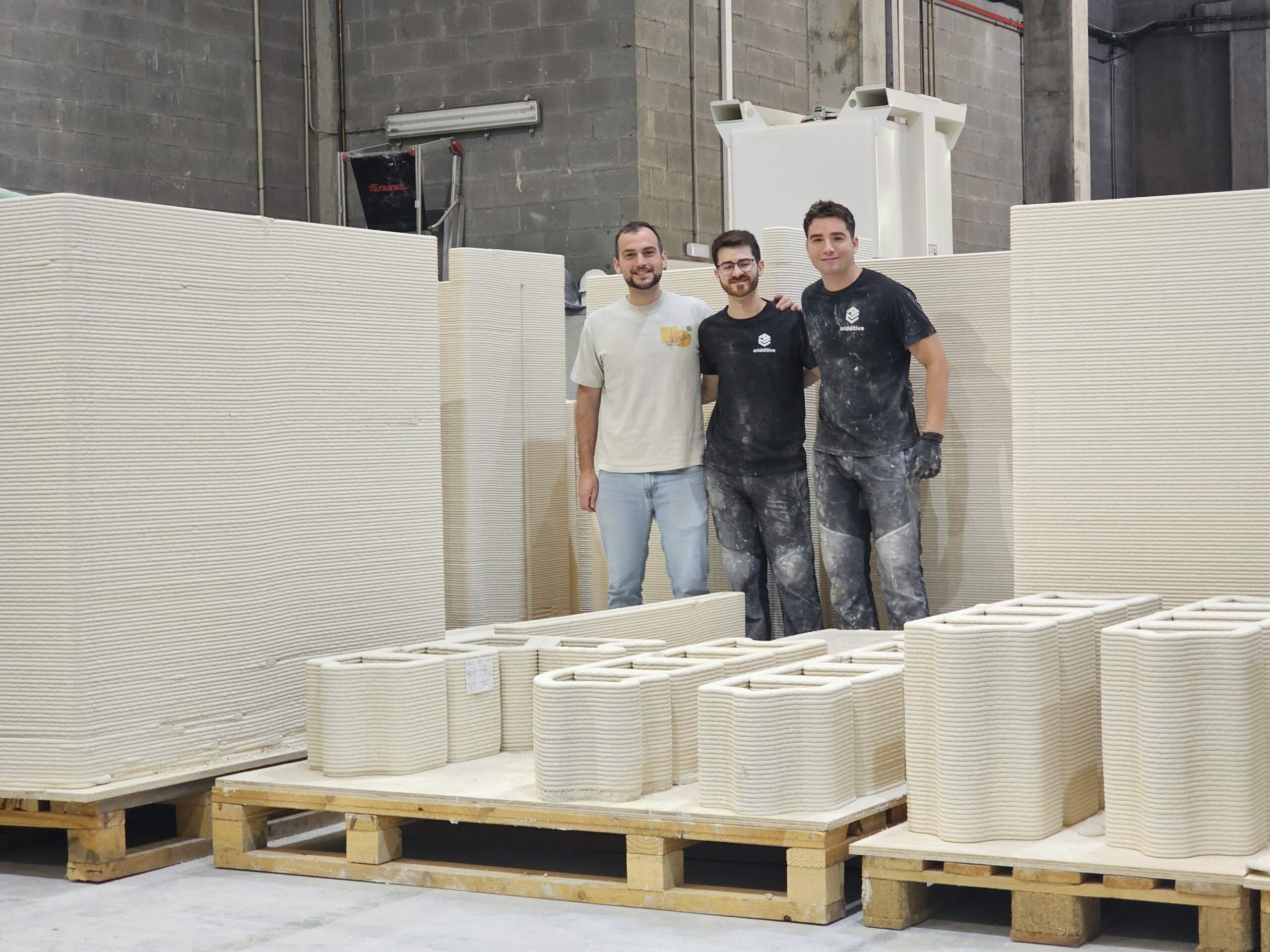
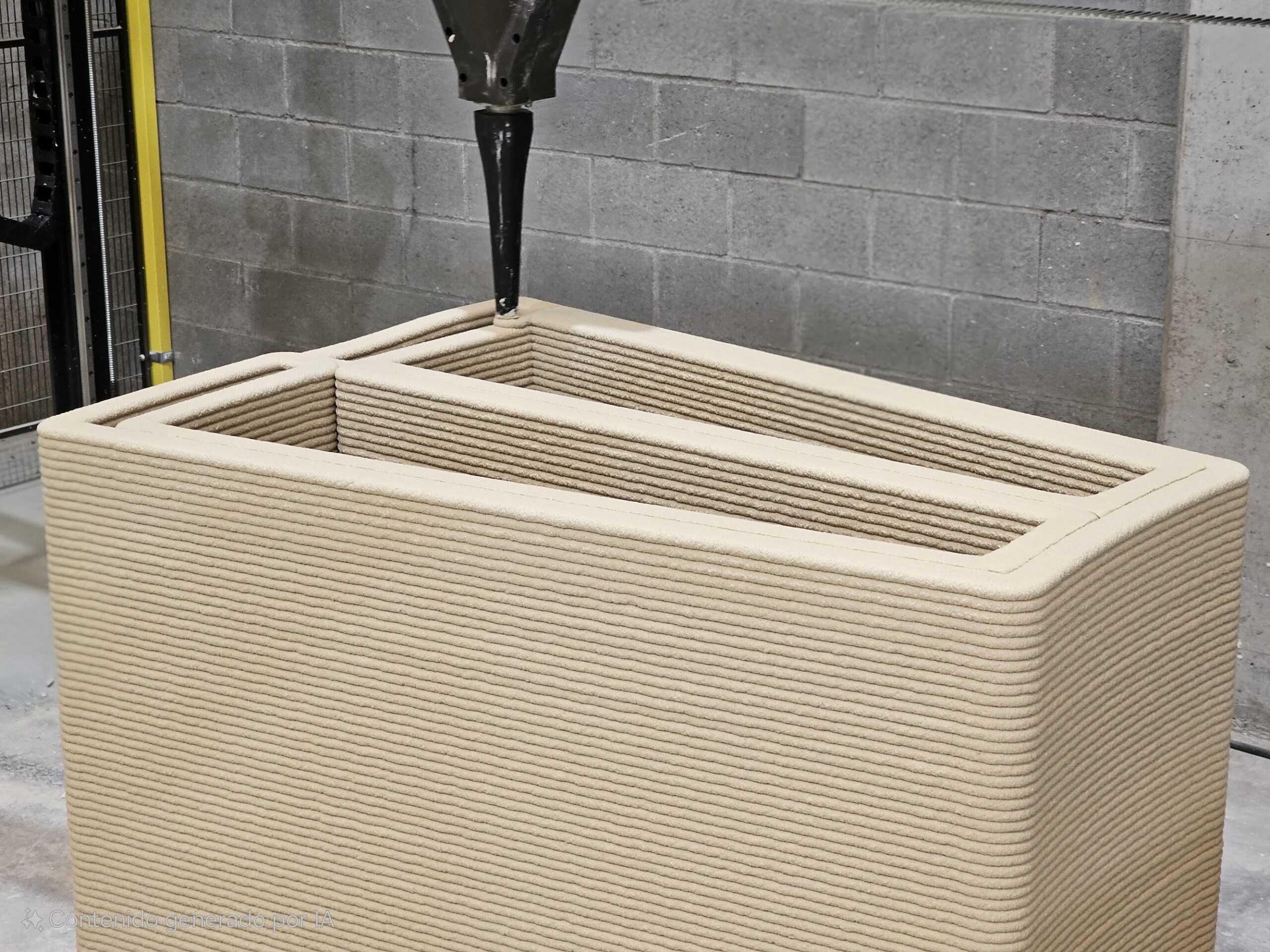
Aridditive 3D printed the functional concrete elements, producing the pieces off-site and separating manufacturing from installation.
Installation and finishes
The pieces were installed on-site and integrated with cladding, upholstery, wood and ceramic finishes to achieve the final result.
From digital model to geometric verification
The project was developed from a complete digital model capable of translating the design intent into manufacturable and installable pieces. This digitalization made it possible to organize production, define geometries, anticipate interferences and prepare the integration of the elements on-site.
As part of the process control, one of the printed pieces was scanned and compared against the original digital model. This comparison made it possible to verify geometric precision and validate the fidelity between the projected design and the built result.
Modeling, scanning and piece control
The accuracy of the process was based on connecting the digital model with physical manufacturing, verifying geometry and assembly before final integration.
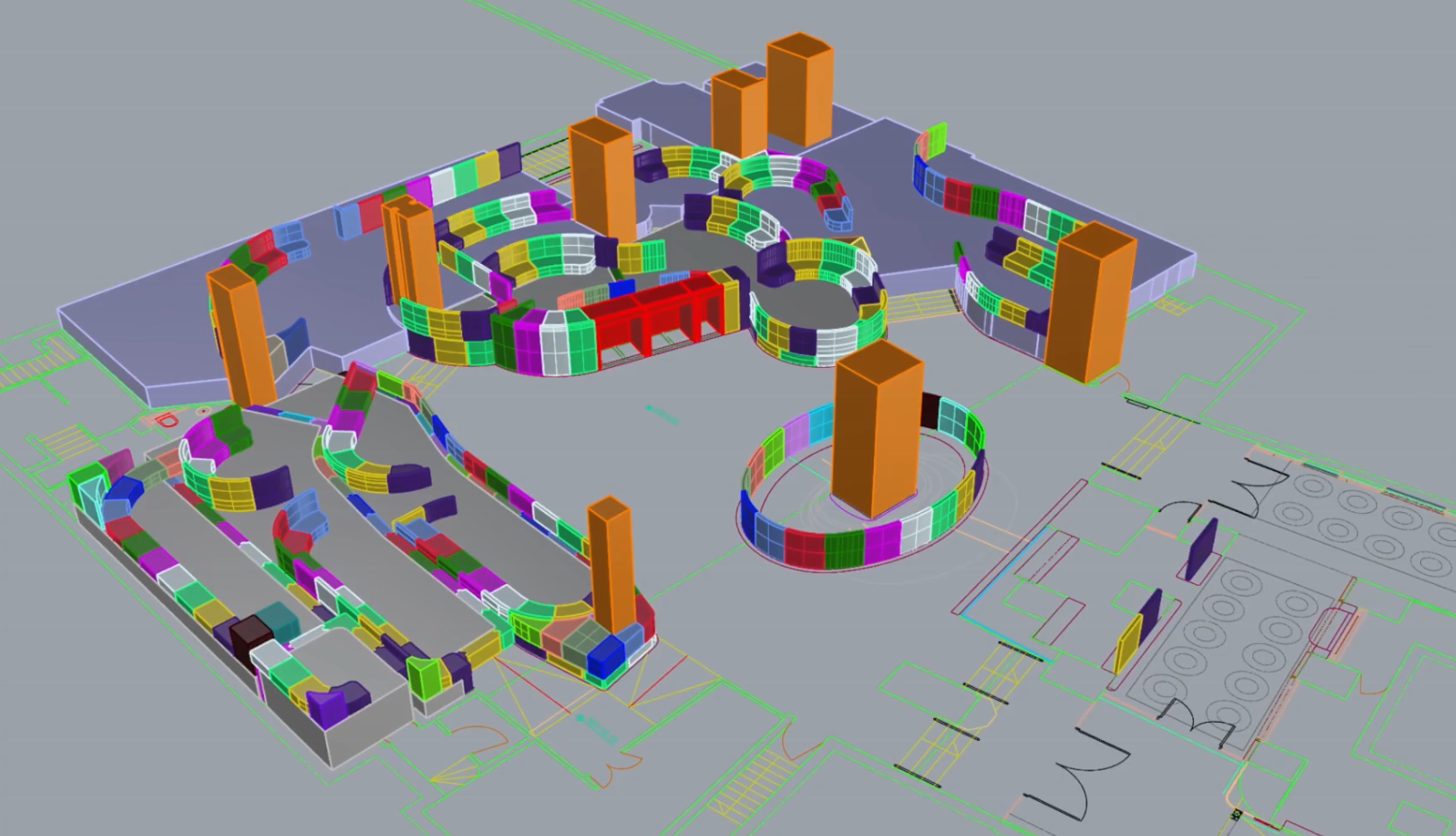
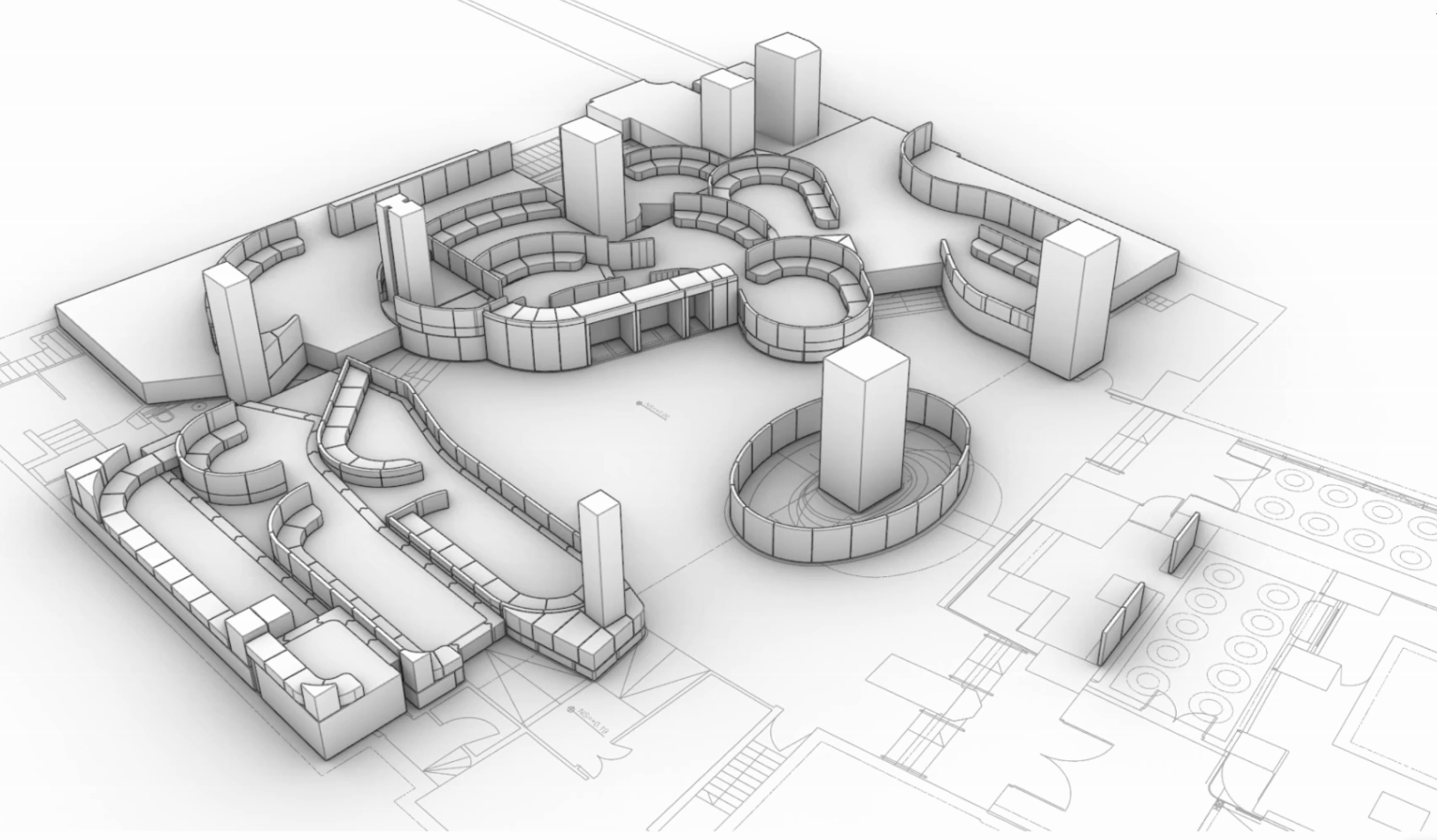
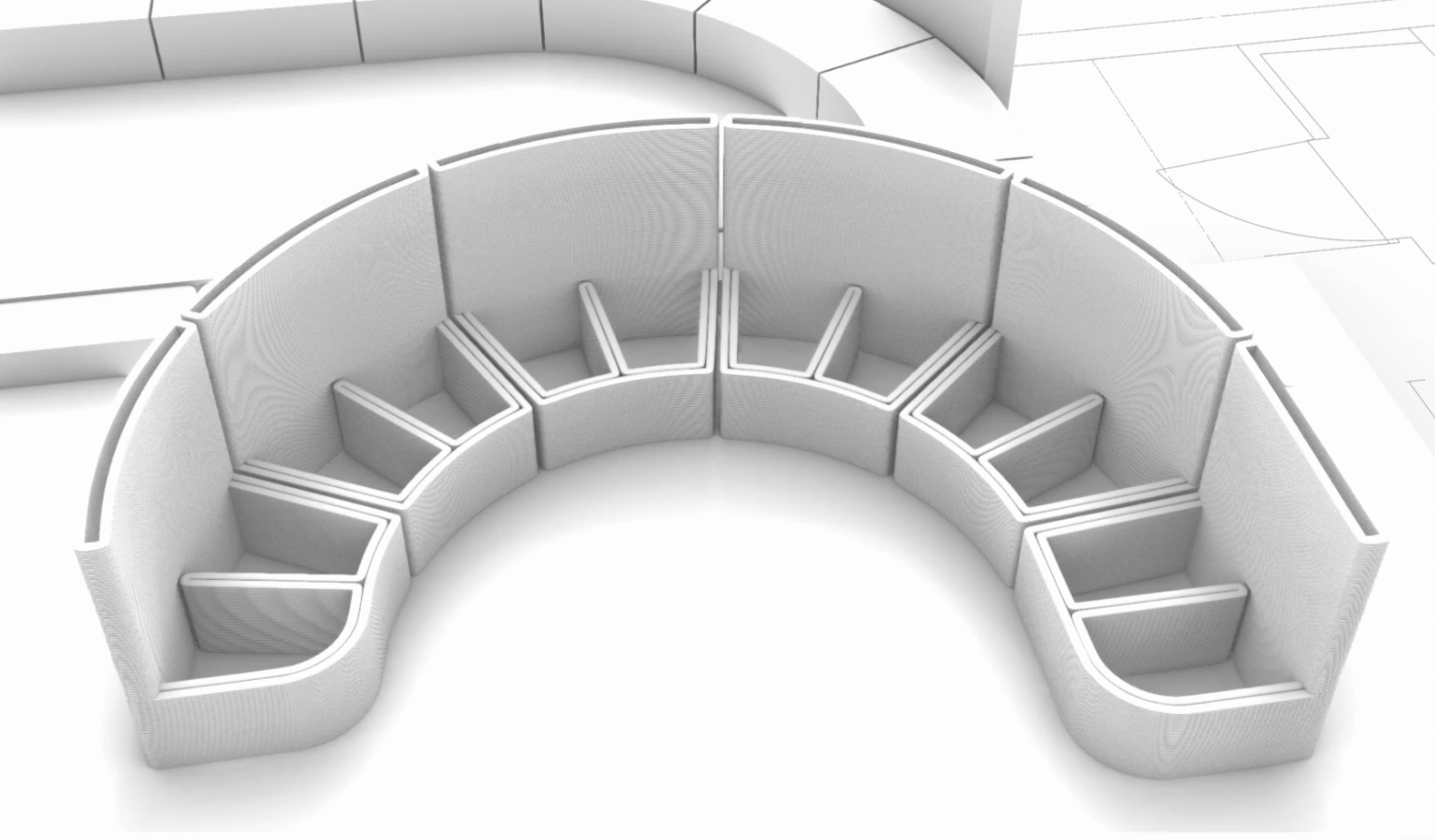
340 functional elements manufactured off-site
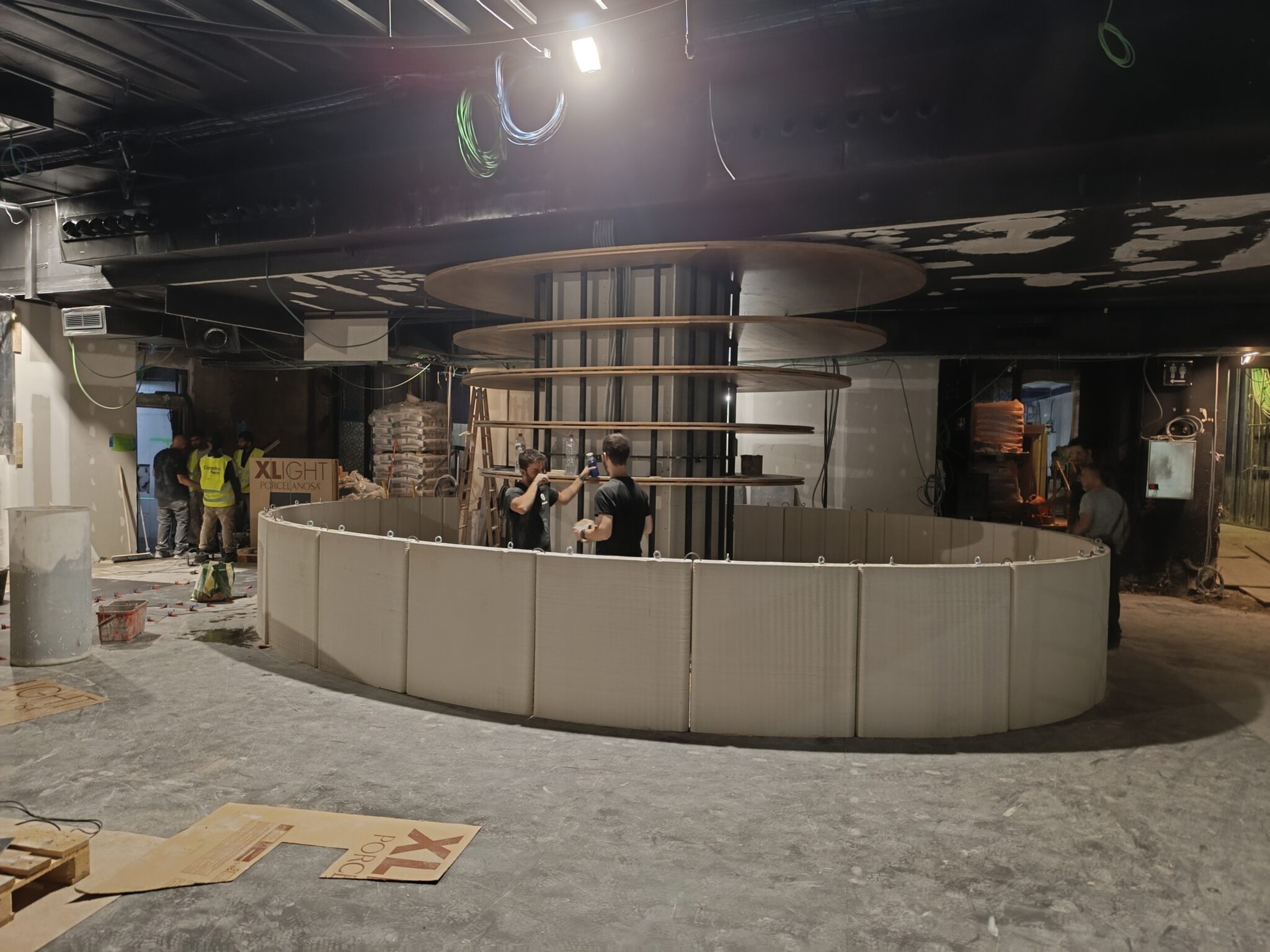
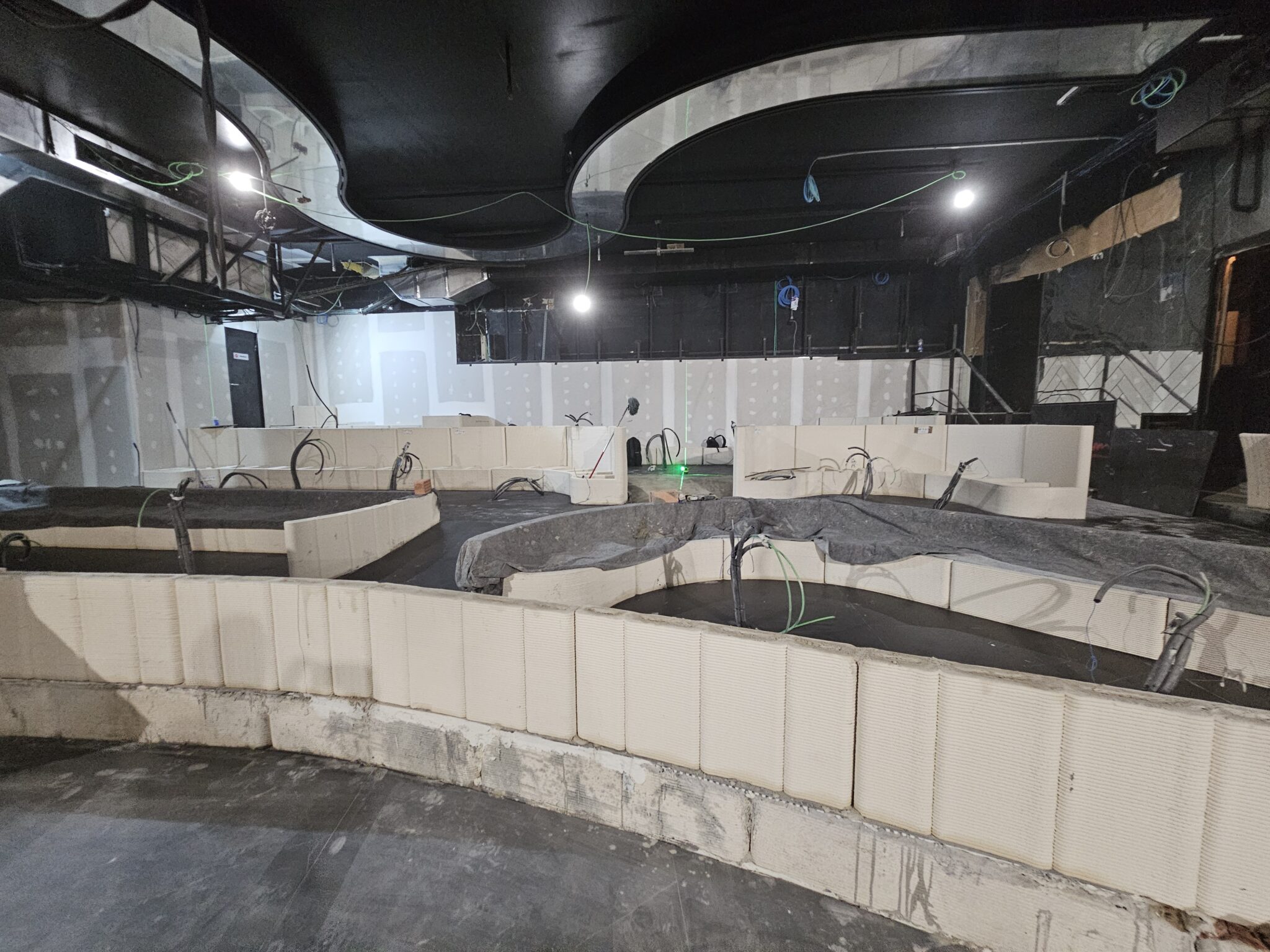
Aridditive manufactured elements for bars, benches, sofas, steps, walls, passages and the DJ area. The pieces were not decorative: they were functional elements of the renovation, later integrated into the final finish of the venue.
Off-site production made it possible to move forward while the intervention in the venue was being prepared. This approach reduced dependence on complex manual processes and concentrated the assembly phase into a much shorter time window.
Concrete for a high-intensity environment
The use of precast concrete provides strength, durability and fire performance, three especially relevant aspects in a nightlife venue with high traffic and continuous use.
Producing the pieces before entering the site
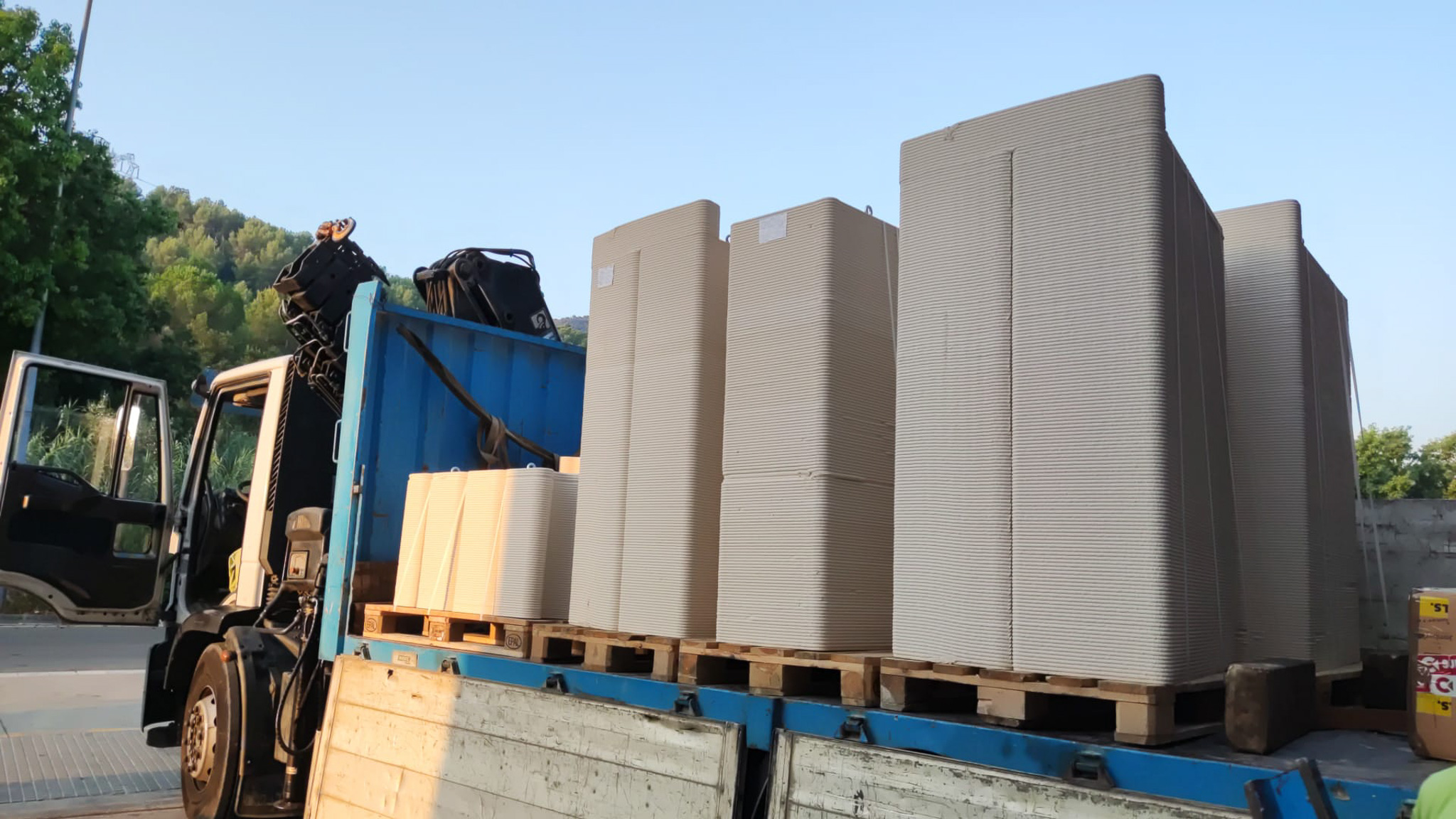
Manufacturing in the plant made it possible to print, control, prepare and transport the elements before installation, reducing the usual risk of a complex interior construction site.
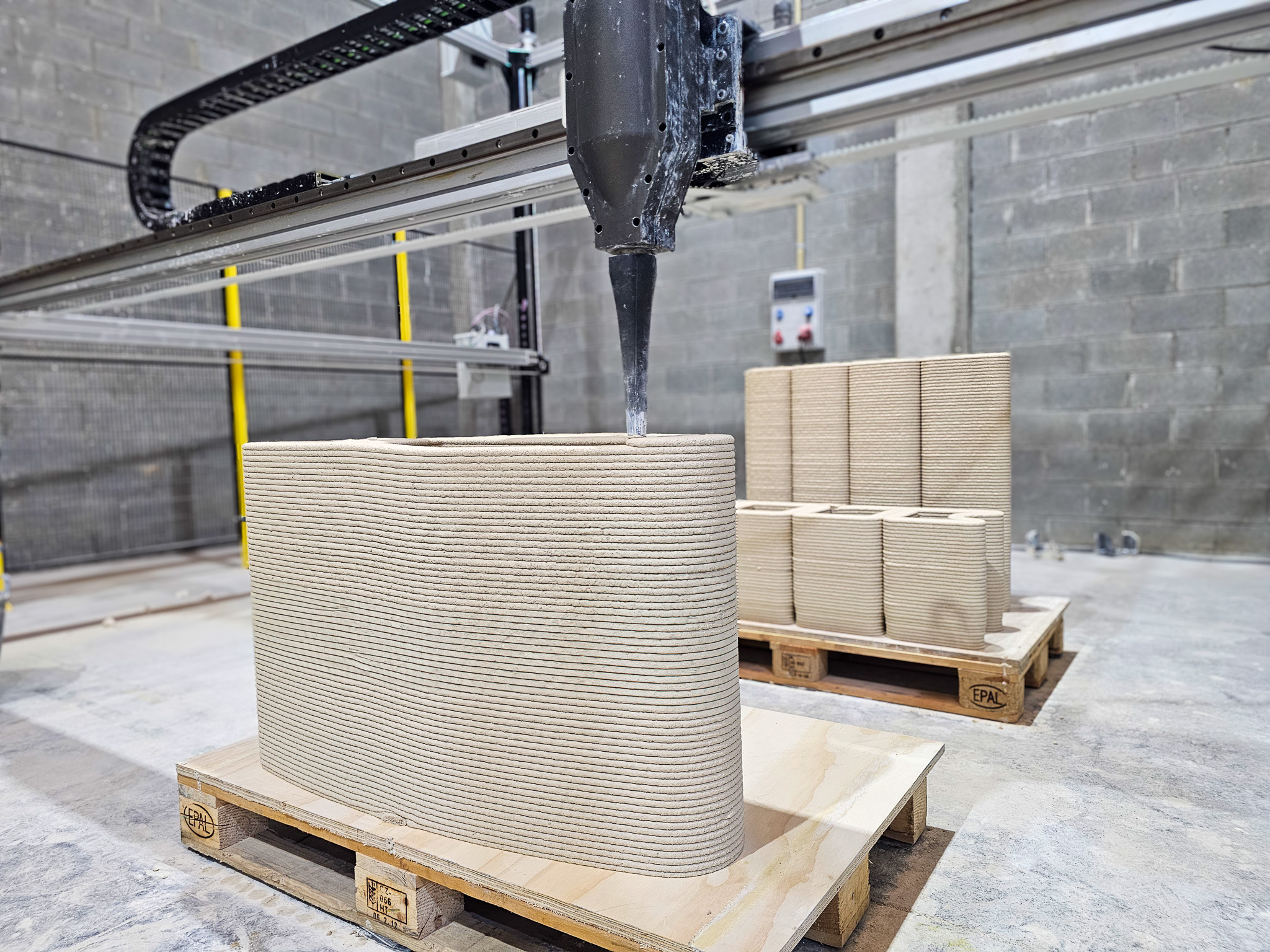
Assembly concentrated into seven weeks
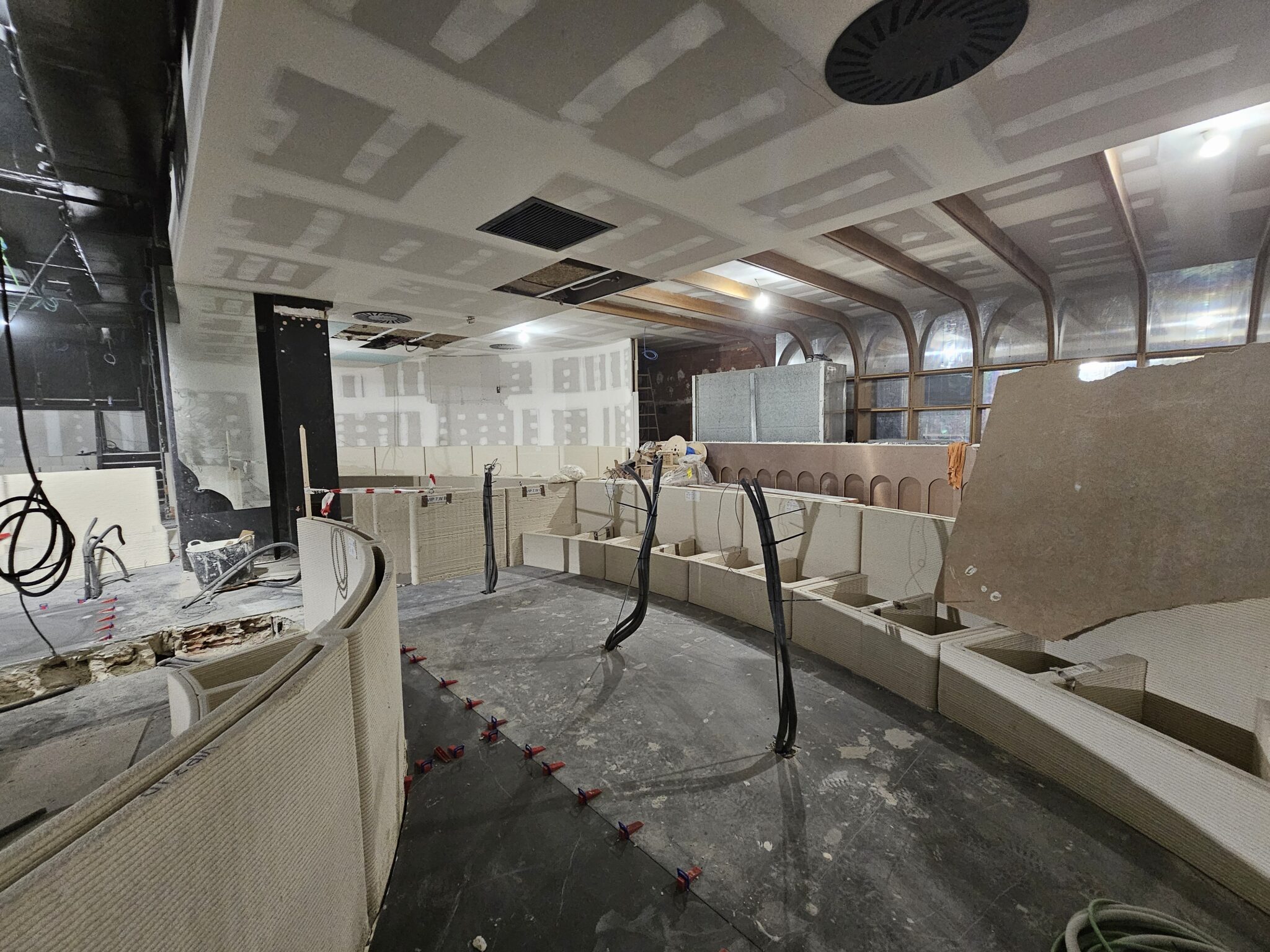
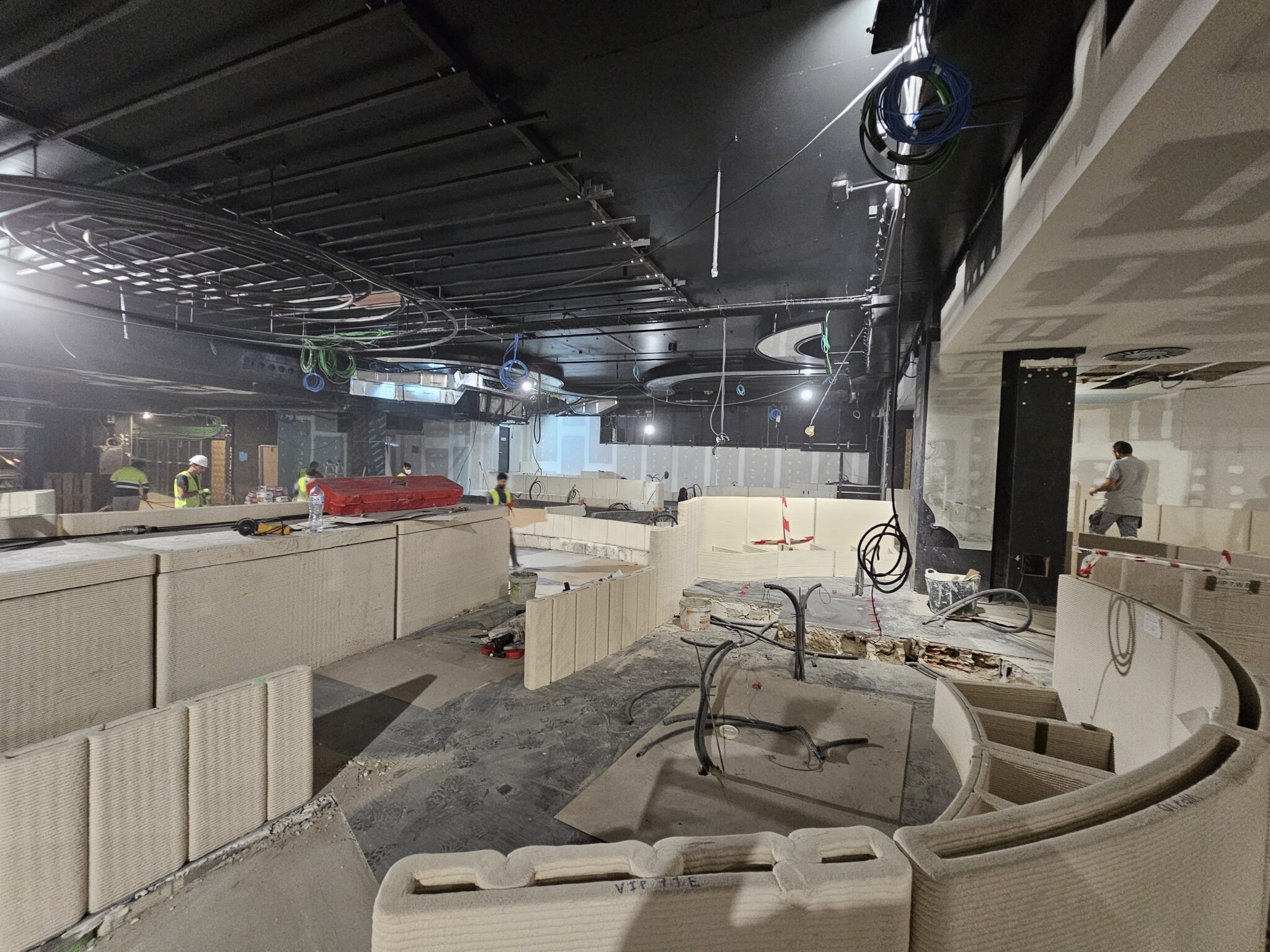
Once the pieces had been manufactured, the process moved on-site as an operation of assembly, integration and finishing. This separation between manufacturing and installation reduced execution time and improved coordination with the rest of the trades.
The project shows how 3D concrete printing can contribute to commercial renovations where time is not just another constraint, but a critical business variable.
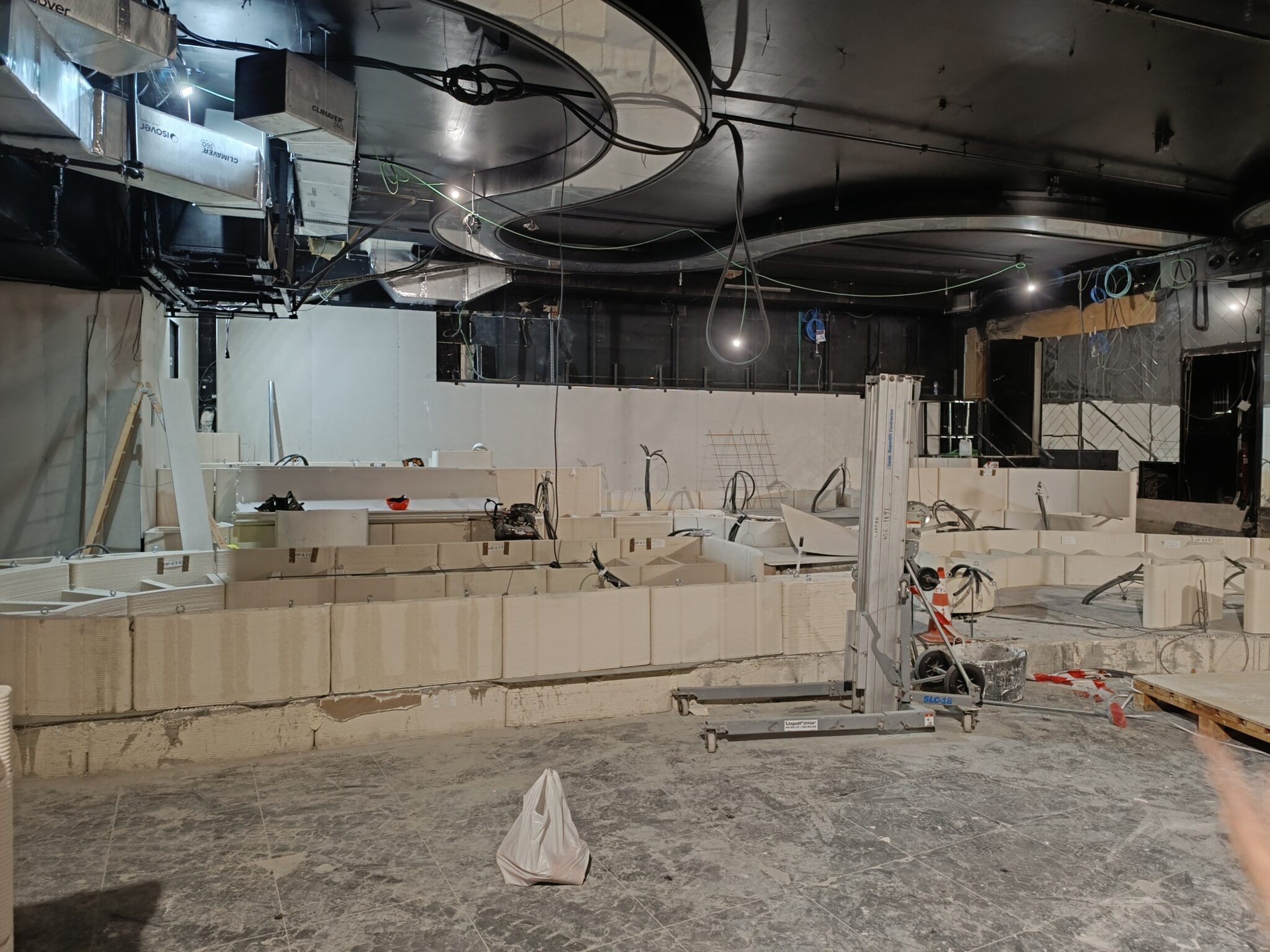
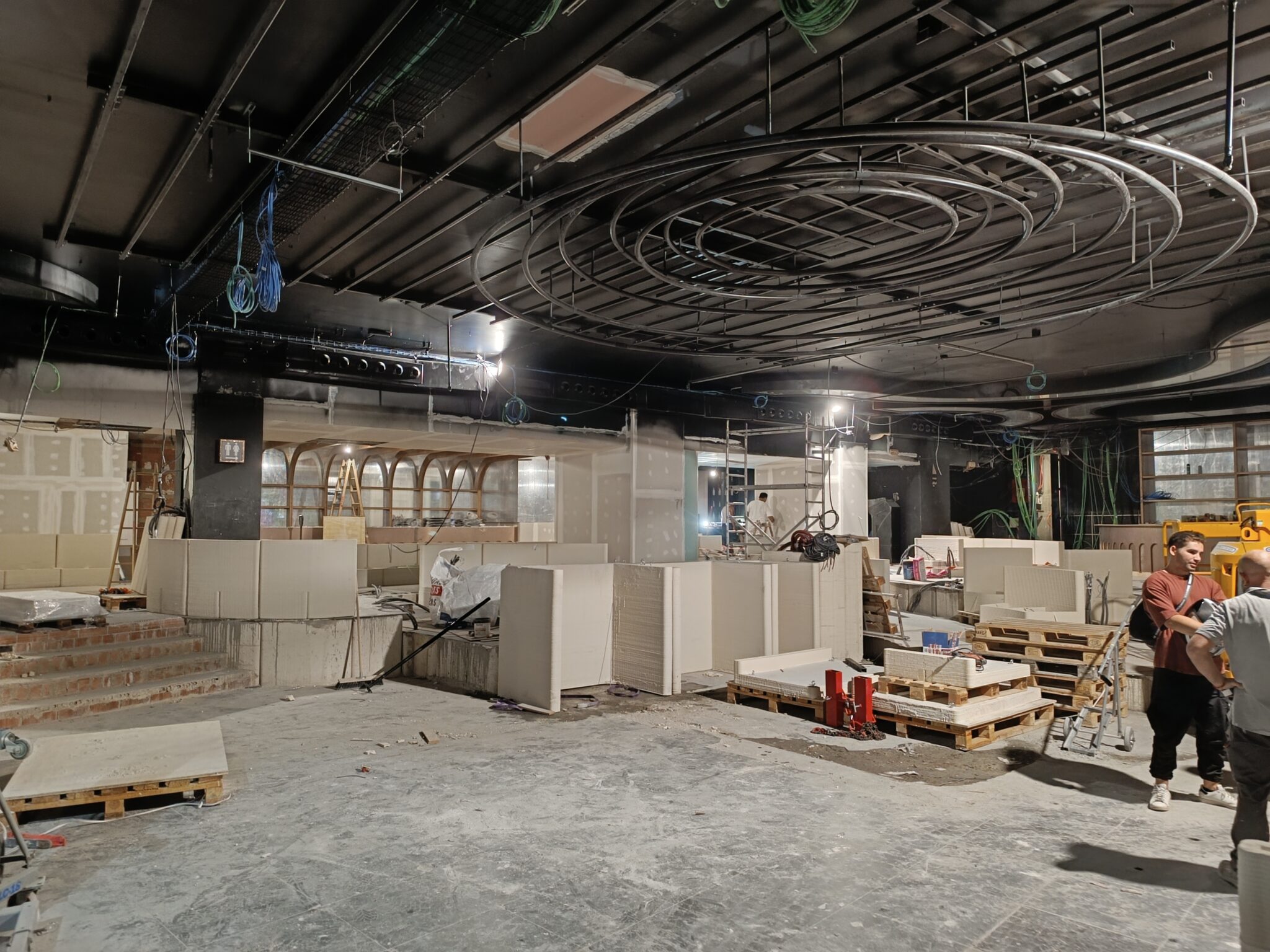
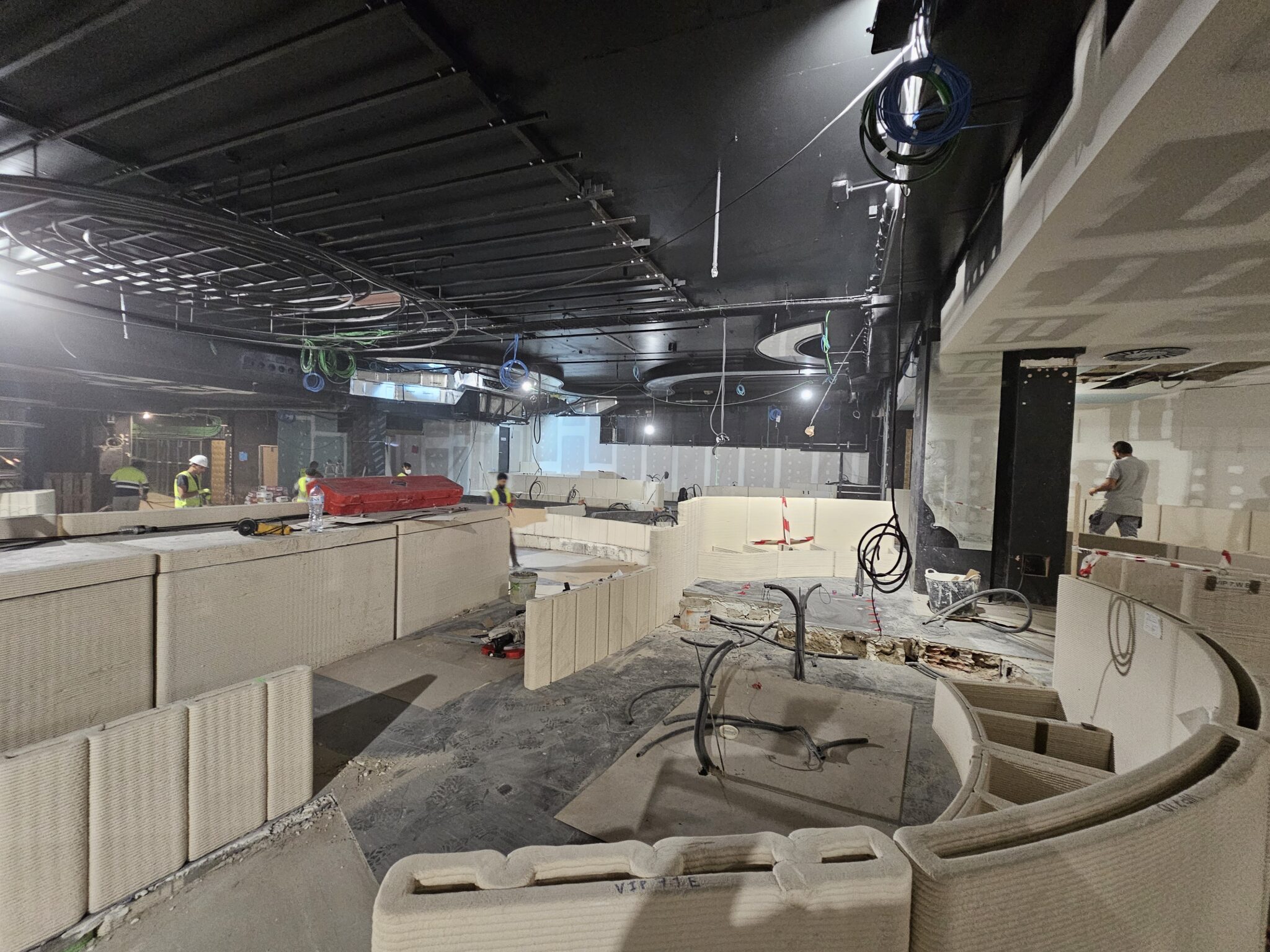
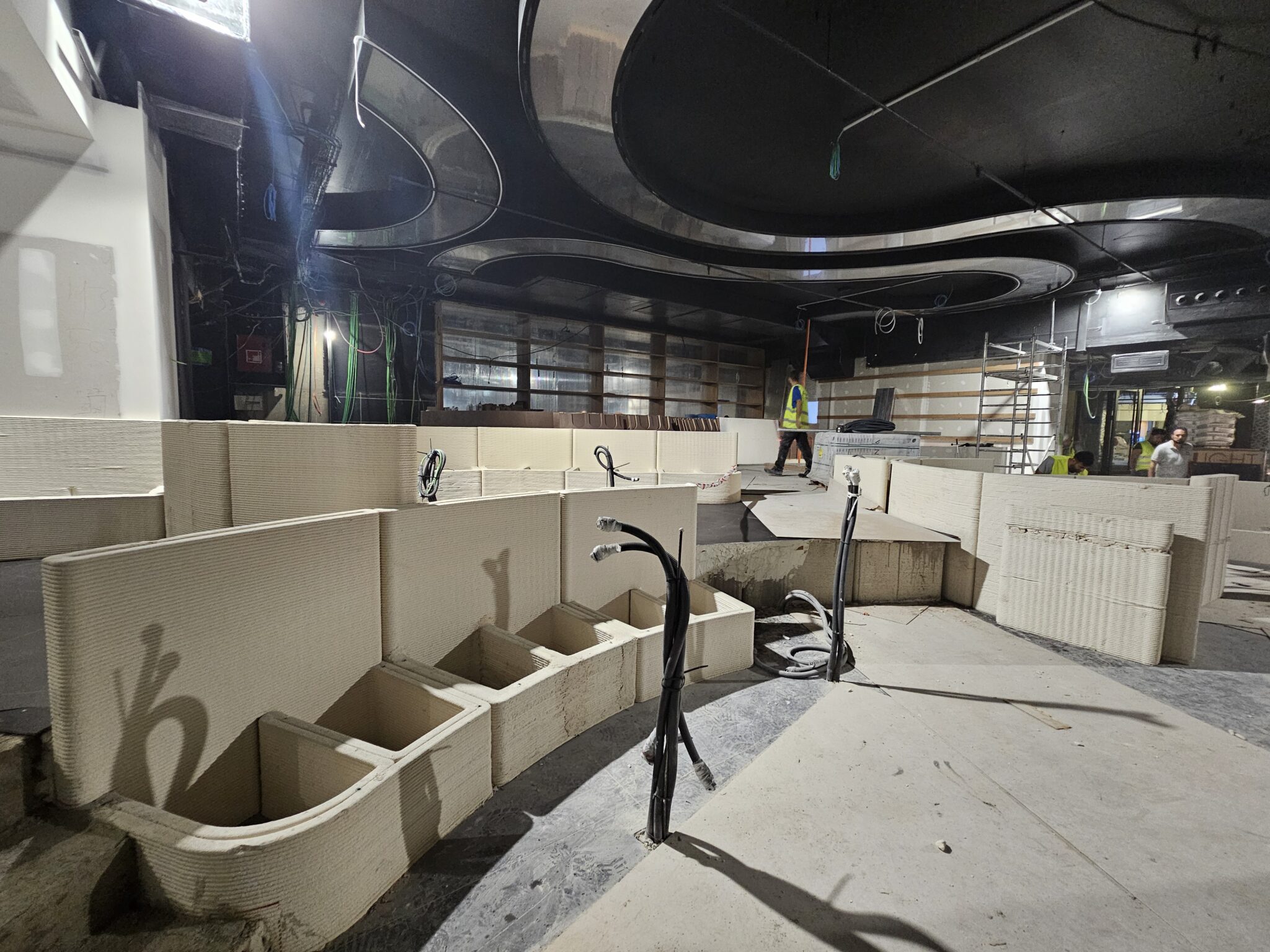
From prefabricated element to finished space
The printed pieces were progressively integrated into the renovation, evolving from prefabricated components into part of the final club experience.
Less material, less transport and less uncertainty
The project used approximately 60 tonnes of concrete, compared with the estimated 110 tonnes that would have been required with conventional processes. This material reduction, close to 45%, avoided around 50 tonnes of CO₂ associated with production and transport.
The sustainability of the project is not limited to material. It also lies in the way of building: reducing waste, manufacturing only what is needed, anticipating decisions off-site and improving the accuracy of the entire process.
Material savings visible on-site
Optimizing geometry and manufacturing made it possible to reduce the total mass of concrete without giving up the physical presence, strength and functionality of the pieces.
What Sutton Barcelona demonstrates
Sutton is not only an interior design project. It is a real proof of how digital fabrication can change the way complex renovations are executed in commercial environments.
Design without giving up execution
The organic geometries could be materialized without turning the construction site into a slow, uncertain and difficult-to-coordinate craft process.
Prefabrication for fast renovations
Manufacturing off-site made it possible to arrive at the assembly phase with the pieces ready, reducing interferences, waiting times and dependence on complex manual work.
A new standard for hospitality
3D concrete printing opens up opportunities for clubs, hotels, restaurants, retail and spaces where design, timing and durability are critical.
“The challenge was not only the design: it was being able to execute it during the summer, with limited availability of skilled labour. 3D printing allowed us to reduce that dependency and secure the schedule.”Arnau Cumelles · Managing Director at Aridditive
A benchmark case for complex commercial renovations
Sutton Barcelona marks a change of approach: moving from interpreting complex geometries directly on-site to fabricating them digitally, validating them and bringing them into the space as controlled elements. The result combines design, efficiency, material reduction and much more predictable execution.
For Aridditive, the project represents a direct application of 3D concrete printing to high-impact interior architecture: not as a technology demonstration, but as a real tool to solve a business, construction and design challenge.
Sutton Barcelona · Tuset Street
The project was carried out at Sutton Barcelona, located on Tuset Street, one of the city’s reference areas for nightlife and hospitality. The intervention shows how digital fabrication can be applied to real commercial renovations, with demanding requirements in terms of schedule, image, durability and intensive use.
Do you want to deliver a singular renovation through digital fabrication?
We design and manufacture architectural pieces, walls, bars, benches, interior elements and bespoke 3D printed concrete solutions for interior architecture, hospitality, retail and corporate spaces.