At Aridditive, we understand sustainability as a different way to design, manufacture and build. Our approach combines 3D concrete printing, geometric optimization, CO₂ reduction, traceability and a social vision of urban space.
We do not see sustainability as a brand message, but as a design and business criterion. That is why we work on material composition, the amount of material used, the efficiency of the production process and the real impact of each solution on the built environment.
Our sustainability plan is based on concrete indicators to measure the progress of Aridditive and our 3D concrete printing solutions.
Construction is one of the sectors with the highest consumption of resources and associated emissions. At Aridditive, we work precisely at that point: parametric design, material formulation, mould-free manufacturing, on-demand production and the use of metrics that allow solutions to be compared rigorously.
This approach allows us to reduce material consumption, minimize waste, incorporate life-cycle assessment criteria and develop solutions that are not only technically viable, but also more environmentally efficient.
We also understand sustainability as social development, accessibility, safety, technology transfer and the creation of an industry better prepared to respond to the urban challenges of the next decade.
Emissions reduction does not depend on a single decision. It is the result of combining material, geometry, process and traceability.
We are moving towards formulations with lower clinker content, the use of limestone fillers, supplementary cementitious materials and new research lines in binders compatible with 3D printing.
Parametric design and the formal freedom of additive manufacturing make it possible to reduce structural mass, adjust thicknesses and use material only where it provides real structural value.
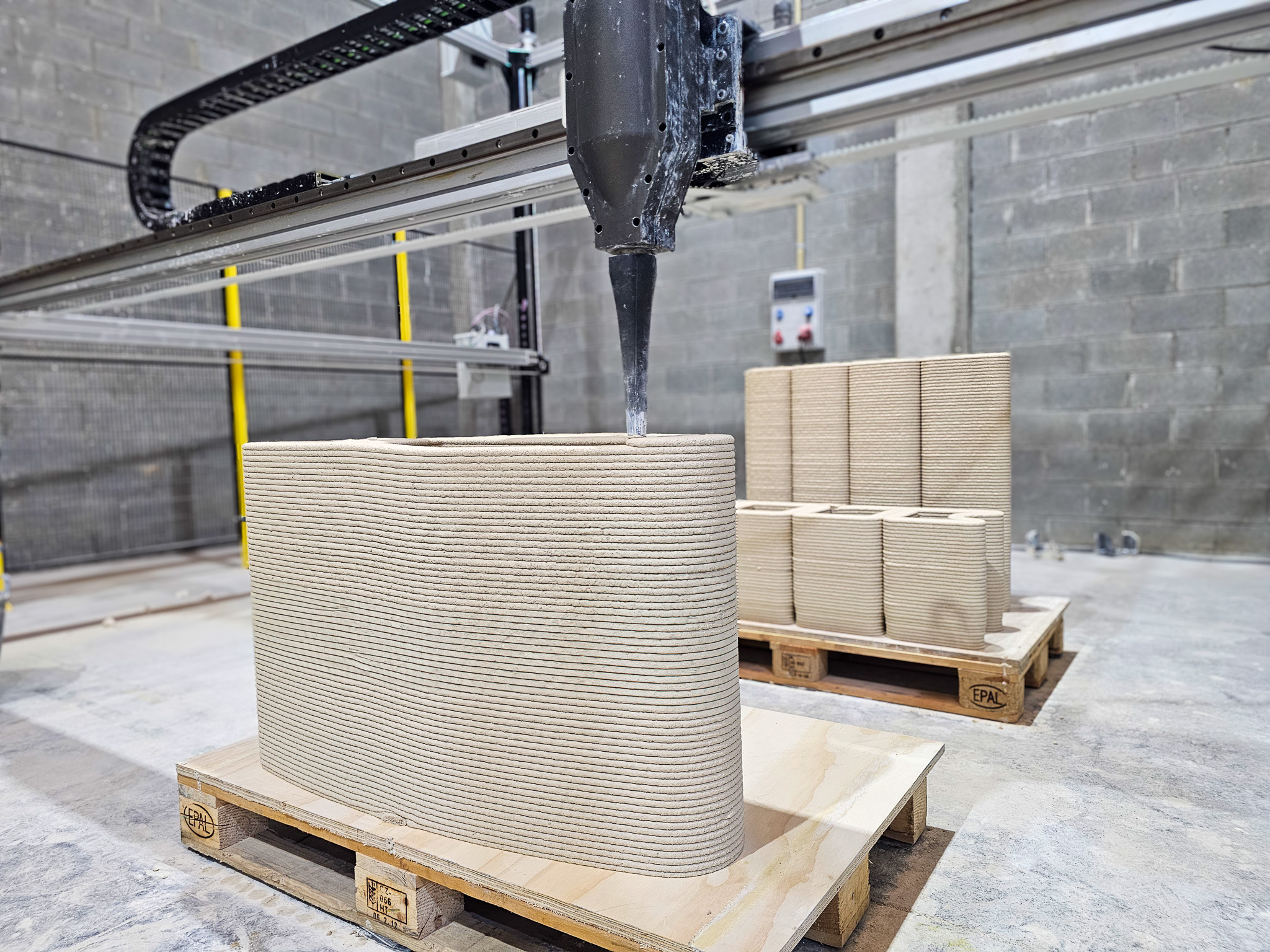
Eliminating conventional formwork and producing directly from a digital file helps reduce waste, shorten iterations and improve material efficiency.
Improvement is only real if it can be measured. That is why we promote traceability, life-cycle assessment and periodic indicator reviews to make data-driven decisions.
Aridditive’s sustainability is materialized in real projects, in the way we manufacture and in the kind of cities and spaces we help build.
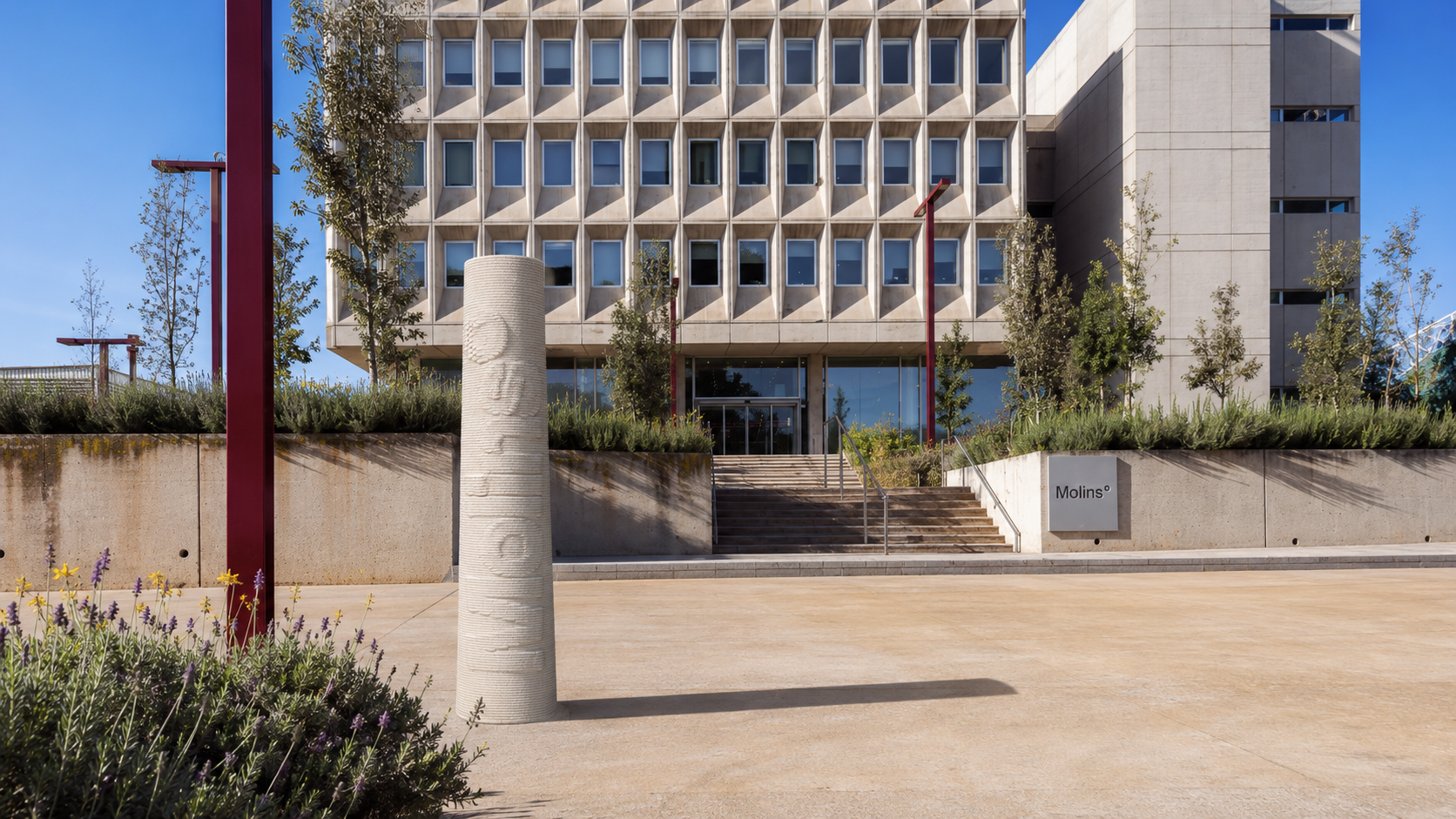
Our ESG approach is not limited to emissions. It also integrates traceability, inclusive design, talent development, safety and a long-term vision of the role of construction in the city.
We research formulations that reduce emissions associated with Portland cement without compromising strength, durability or regulatory compliance.
We design with structural optimization criteria to reduce mass, minimize waste and use resources more intelligently.
We promote TRACE® and the progressive use of life-cycle assessment to measure, compare and improve the environmental impact of our solutions.
We understand public space through accessibility, ergonomics and diversity of use, collaborating with entities such as Fundació Apropa to enrich the design process.
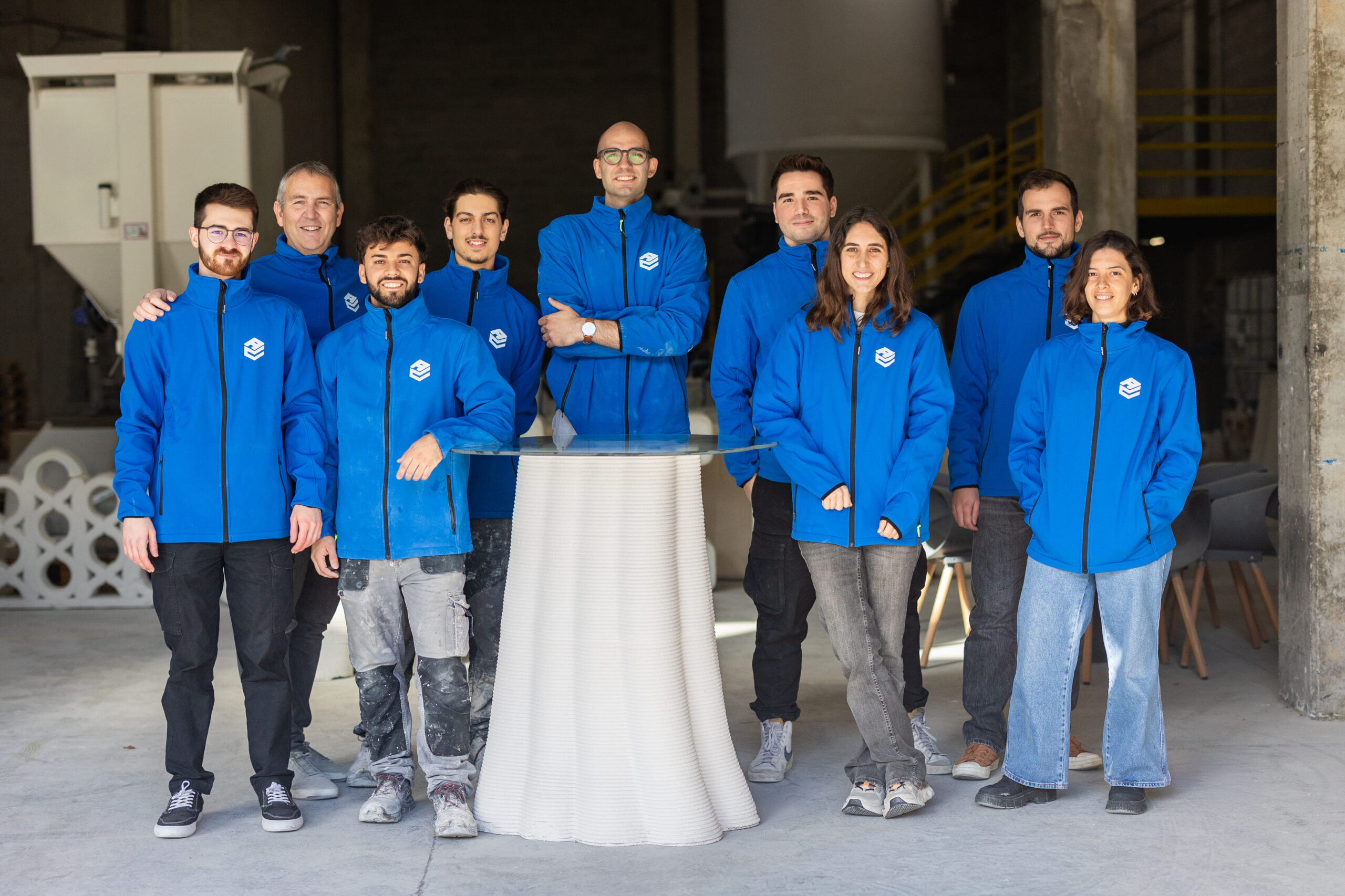
We are committed to multidisciplinary teams, continuous learning, safety and an environment where applied innovation can become real impact.
We simultaneously assess the impact of our activity on the environment and the ESG risks and opportunities affecting the company’s future competitiveness.
Our activity is especially connected to the SDGs linked to industrial innovation, climate action, responsible production, quality urban space, talent and collaboration.
Knowledge transfer, collaboration with universities and training of new technical profiles linked to digital construction.
We promote industrial activity, qualified technical employment and new production capabilities in a sector undergoing transformation.
We develop proprietary additive manufacturing technology for concrete to modernize processes and open up new construction solutions.
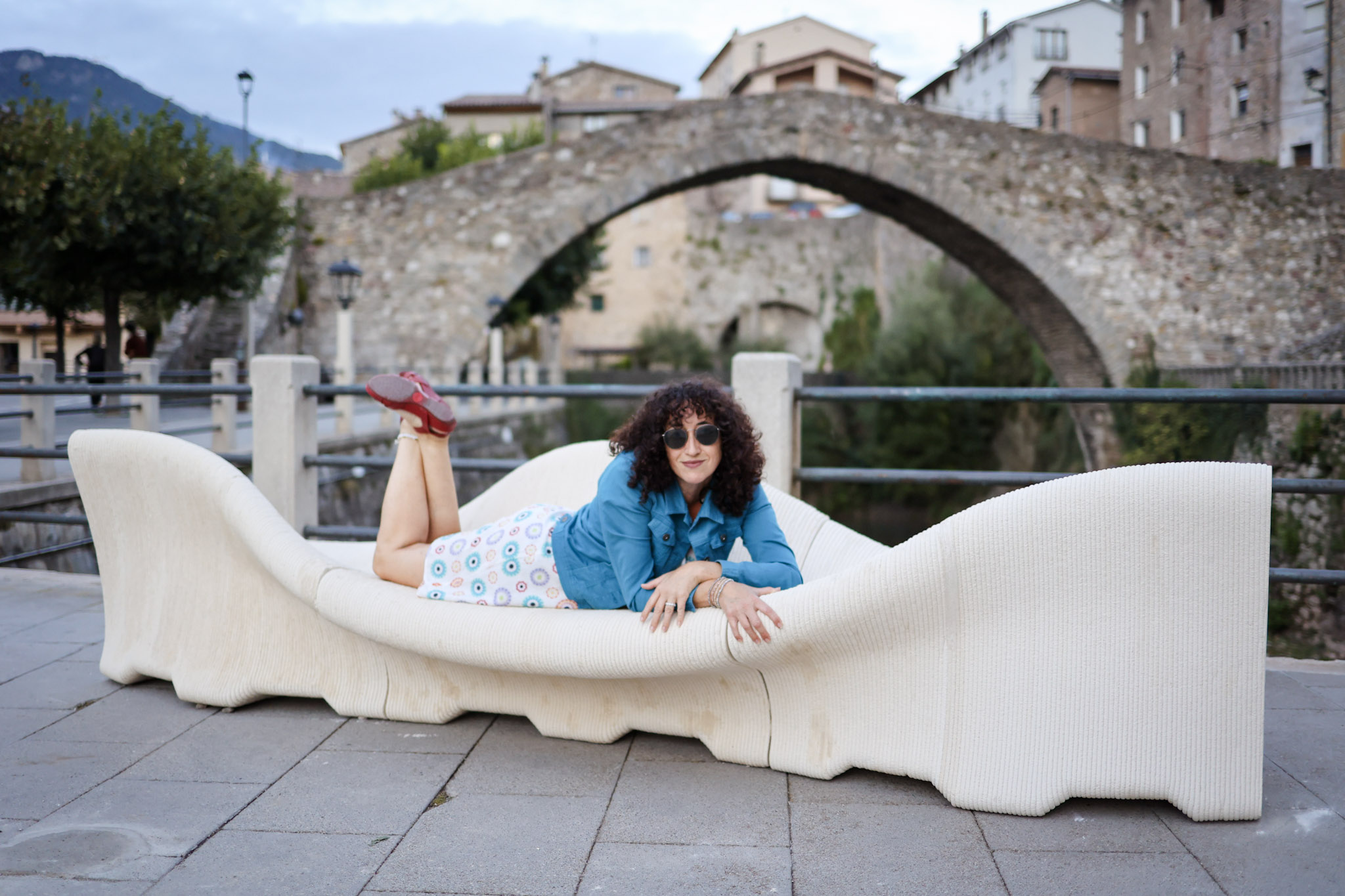
We work to create public spaces and construction elements that are more durable, accessible, customized and adapted to the urban context.
We reduce waste, eliminate moulds, manufacture on demand and optimize the use of resources through design and process.
Product decarbonization and CO₂ reduction at source are a central priority in our 2026–2030 ESG strategy.
Collaboration with customers, suppliers, universities, technology centres and social organizations is key to accelerating change.
Our plan defines Aridditive’s roadmap for decarbonization, material innovation, structural optimization, inclusive design, talent and traceability.
A framework to turn sustainability into an industrial advantage and a real criterion for product development, investment and R&D.
We design and manufacture urban furniture, architectural pieces, interior design elements, signage and custom solutions through 3D concrete printing, combining material innovation, resource efficiency and traceability.